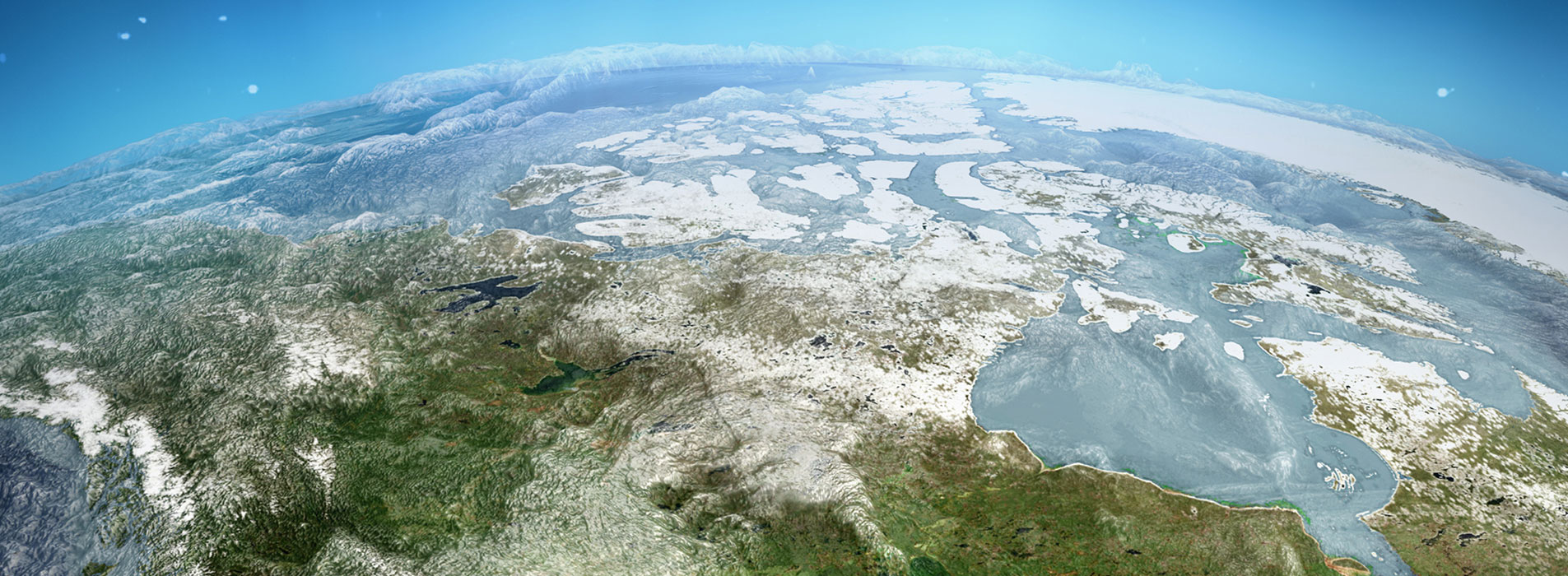
The shifting global economic and political landscape presents Canada’s North with an unprecedented opportunity for transformation and growth. As Western nations seek to secure reliable domestic supplies of critical minerals, and as Canada advances its own strategy to strengthen economic resilience and sovereignty, the three northern territories are emerging as a powerful new frontier for mineral resource development. With coordinated government and industry investment in nation-building infrastructure, northern Canada is poised to become a cornerstone of the global clean-energy transition.
Untapped Mineral Wealth
The Yukon, Northwest Territories, and Nunavut collectively host at least eleven geological provinces regions defined by diverse rock types, ages, and structural histories that support a wide range of mineralization styles. This diversity explains why northern Canada contains 31 of Canada’s 34 listed critical minerals, along with abundant gold and base metals. Despite more than a century of mining activity, vast areas remain underexplored. The North’s remoteness and limited infrastructure have inadvertently preserved its potential, increasing the odds of discovering rich, near-surface deposits.
Nation-Building Infrastructure Projects
Major infrastructure investments are laying the foundation for sustainable economic development and improved connectivity across the North:
- Yukon: The Yukon-BC Grid Connect Project ($40M) will link Yukon’s power grid to British Columbia, expanding clean-energy access. The Yukon Resource Gateway Project ($468M) is upgrading 650 km of mining roads, while the Critical Minerals Infrastructure Fund ($1.5B to 2030) supports northern energy and transportation projects. Redevelopment of the Port of Skagway will expand export capacity for Yukon mines.
- Northwest Territories: The Taltson Hydro Expansion will supply clean power to the mineral-rich Slave Geological Province. The Mackenzie Valley Highway (321 km) and Slave Geological Province Corridor will provide all-season road access, linking to Nunavut’s Grays Bay Port and strengthening Arctic supply routes.
- Nunavut: The Grays Bay Port and Road and Kivalliq Hydro-Fibre Link will connect the Arctic to southern Canada with renewable energy, digital connectivity, and all-season transport—unlocking resource development and long-term benefits for Inuit communities and Canada’s northern economy.